Author: FAAFO

  • trust architecture: people are the door and the test

    trust architecture: people are the door and the test

    irony matters because the same part of me that has made me vulnerable is also one of the reasons my life has opened the way it has. i cannot tell the story of betrayal as if the answer is simply to stop trusting people, stop letting people close, stop collaborating, stop loving, stop opening doors, or start treating every human interaction like a legal threat. that would be dishonest. some of the best things in my life have come through people. jobs, housing, access, invitations, rooms, projects, friendships, lovers, clients, community, and unexpected opportunities have often come to me through relationship, not through cold pursuit. my traditional chart even reflects this tension: fortune is in the 1st house, making my own presence, body, character, and self-command part of how life opens, while partnerships and alliances are also emphasized as part of my material fate. allies and friendships are described as a source of prosperity and long-range fulfillment, which is exactly why “just close the door” is not a real strategy for me.

    that is the part people miss when they give simple advice like “you need tighter contracts.” contracts can matter. written terms can matter. documentation can matter. but not every betrayal can be prevented by paperwork, and not every person has the income, time, legal access, or emotional bandwidth to turn life into a courtroom strategy. even when a contract exists, that does not mean you will be protected, believed, paid, restored, or victorious. a contract can clarify terms, but it cannot manufacture integrity. it cannot make someone honest. it cannot guarantee that you will have the resources to fight when someone violates the agreement. so the answer cannot be, “just have better contracts.” the deeper question is what happens before the contract, before the lawsuit, before the betrayal becomes expensive. the deeper question is access.

    i am not trying to become the person who walks around afraid of everyone. that would not be power. that would be another kind of prison. i also do not believe in the performance that some people do online, where they call themselves empaths or intuitives and act like they can always “feel” a liar. i have been a psychic. i understand intuition. i also know that people lie, hide, perform, collapse, charm, project, and tell partial truths for reasons that are not always immediately visible. not everyone is wired the same way, and pretending we are all supposed to detect dishonesty the same way makes people careless. it makes people give their power away to the fantasy that if they were spiritual enough, intuitive enough, healed enough, or empathic enough, they would never be fooled.

    that is not how i understand my wiring. my chart does not tell me to build a business around proving that i can detect liars. my gene keys say my prosperity opens through inquiry and is undermined through doubt. that distinction matters. doubt spins. inquiry investigates. doubt loops inside the body. inquiry asks better questions. doubt tries to solve someone else’s soul. inquiry asks what evidence exists, what access has been given, what the risk is, and what can still be reversed.

    this is why i do not want to teach people to be suspicious of everyone. suspicion is not wisdom. suspicion still lets the other person control the room because your whole life becomes organized around avoiding harm. i am more interested in strategy. i am interested in what happens when the wrong people, the jealous people, the shadowy people, the liars, the rivals, the lovers, the friends, the collaborators, and the people who think they can outplay you become part of your training ground. not because harm is good, but because if you have lived long enough, you know that life does not only teach through soft teachers. sometimes the sparring partner is the person who strengthens the exact skill you will later be paid for.

    i have said before that i do not run from the devil. i run toward the devil so i can get the battle over with and move on to the next challenge or opportunity. that does not mean i want harm. it means i do not believe every hard thing is supposed to be avoided. if i had blocked every uncomfortable person, every difficult dynamic, every shadow, every messy relationship, every jealous person, every person who revealed something ugly, i may also have blocked some of the very experiences that made me sharp. i may have blocked some blessings too. because sometimes the door that brings the blessing is the same door that tests your discernment.

    that is the irony. the people who have harmed me did not always arrive as obvious enemies. many arrived through closeness, familiarity, attraction, friendship, shared work, shared community, opportunity, need, loyalty, or timing. some of them were people close enough to become jealous after watching me move, rebuild, receive, create, survive, or begin again. my friends and associates have watched this. they have watched me start over more than once because someone close to me could not handle what my life looked like once they got near it. they have watched people benefit from my openness and then become resentful of the same light they wanted access to. they have watched the wild stories. they know i am not inventing this because i suddenly want to be a coach.

    and that is also why the story cannot be cleaned up into guru language. i am not here to preach. i have never been interested in pretending that i float above human mess. if anything, people who know me know i have warned them in my own way: do not come around me for a significant amount of time, or in an intimate setting, if you are not comfortable with your shadow. because i will befriend it. not because i am trying to expose people for sport, but because i tend to see the part of people they are trying to hide from themselves. and when that part starts speaking, people either grow, run, attack, confess, project, or try to make me the problem.

    that is not a cute brand story. that is the laboratory.

    this is also why my human design matters to the story, but not in a superficial way. i am an emotional generator with a 4/6 profile: opportunistic / role model. that does not describe someone who is supposed to cold-sell strangers from a pedestal. it describes someone whose life moves through response, recognition, relationship, networks, lived experience, frustration when the energy is misused, and eventually becoming the example through what has been lived. at 51, the role model piece matters more than it would have at 25 or 30. this is not me trying to become a teacher by declaring myself one. this is me becoming a teacher because i have lived enough cycles that the pattern has become visible, and the pattern has finally become a method.

    the way i learned about lot of nemesis in cancer in the 7th house is part of the story too. i did not come into this saying, “i have this placement, let me build a product around it.” i uploaded charts because i was trying to understand what kept repeating. i was asking questions about astrology, compatibility, transits, shadow, human design, gene keys, betrayal, relationship patterns, and why certain things felt so specific. then in the process of reading the traditional chart, the lot of nemesis in cancer in the 7th house came up. i had not heard of it before. once it was explained, something clicked. the 7th house is the house of partners, contracts, lovers, collaborators, clients, and open enemies. cancer is loyalty, emotional safety, care, protection, family-feeling, memory, and vulnerability. nemesis is consequence, correction, the place where imbalance shows itself. and in my chart, this sits in the same relationship zone as saturn and the lot of marriage.

    that did not create the pattern. it named it.

    the naming matters because i had already lived the evidence. i had already lived betrayal through the 7th house: romantic relationships, friendships, business partnerships, collaborations, trust-based agreements, people who stood directly across from me and had enough access to affect my life. i had already lived the cancer part: people who felt familiar, people who felt like home, people who were close enough to know where i was soft, loyal, protective, generous, maternal, forgiving, or willing to help. i had already lived the saturn part: the consequences, the delays, the restarts, the heaviness, the lessons that did not disappear simply because i understood them emotionally.

    so trust architecture is not me trying to turn pain into a cute offer. it is me refusing to waste the data. it is me looking at the irony of my life and saying: if my blessings come through people and my betrayals come through people, then the answer is not to stop being relational. the answer is to understand access. who gets my time? who gets my body? who gets my private information? who gets my labor? who gets my ideas? who gets my audience? who gets my home? who gets my loyalty? who gets my future? who gets to stand close enough to benefit from me, and what have they actually shown before they get there?

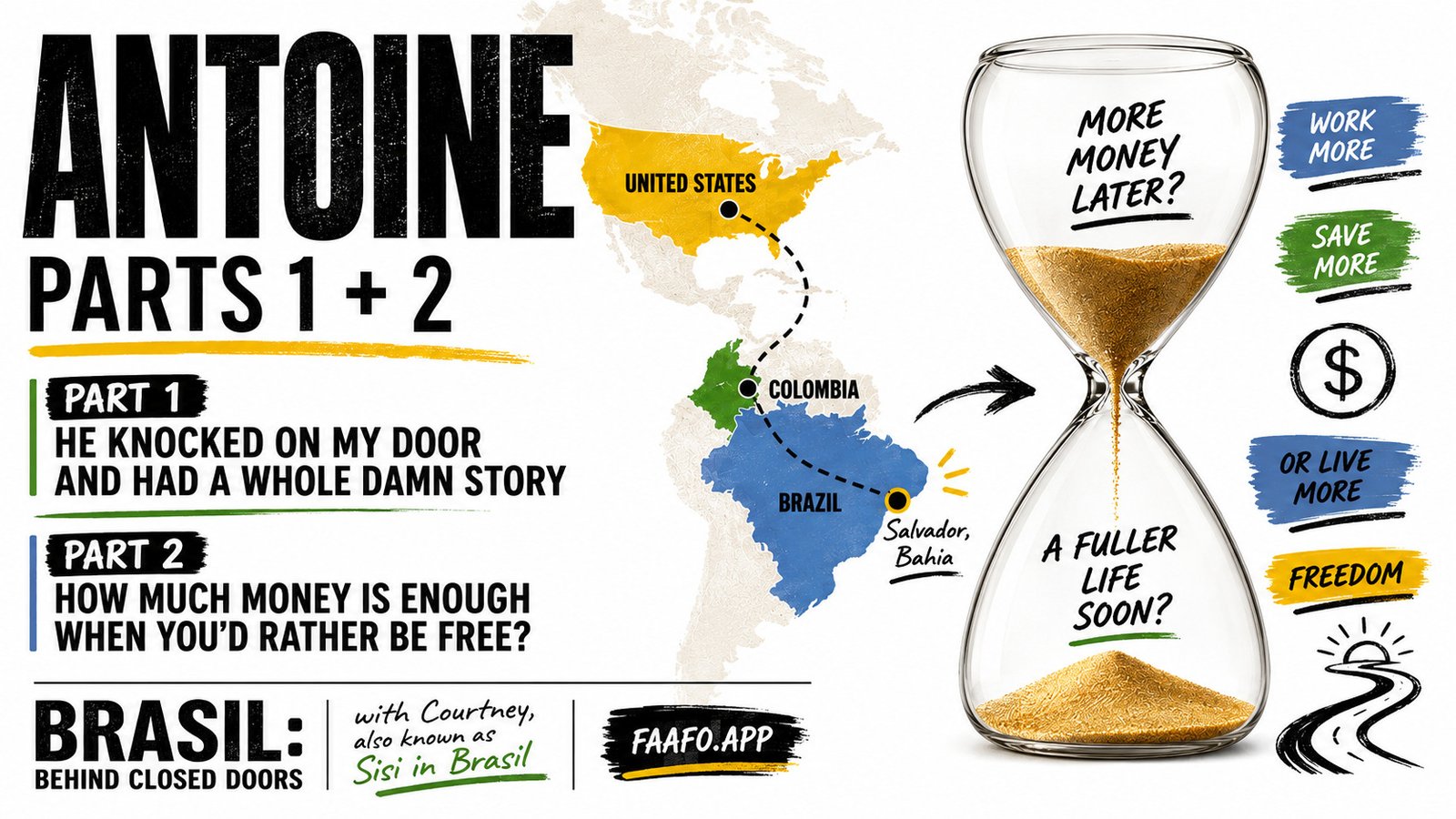
    brazil is part of this because it has made the pattern physical. this is not just theory happening in a notebook. i moved to salvador, bahia, and my life became even more obviously about place, race, class, language, home, access, trust, visibility, community, service, labor, and proximity. the context itself is loaded. i am a black american woman earning in usd, living in a place where history, class, race, labor, foreignness, and belonging are not abstractions. i also have this lifelong pattern of finding beautiful places to live with unusual ease, and in recent relationship dynamics, people have effectively shown up at my doorstep through homes, buildings, events, friends, or private/domestic spaces. that is not separate from the work. it is part of the field where the work is being tested.

    salvador did not invent the lesson. it concentrated it. living in brazil has put me inside a daily classroom of language, misunderstanding, beauty, class tension, racial kinship, foreign-currency privilege, desire, service, labor, home, belonging, and vulnerability. when you live outside your original country, trust is not a philosophical topic. trust is practical. who translates? who explains the rules? who has access to your building? who knows where you live? who understands the culture better than you do? who do you rely on because you are outside your familiar systems? who sees you as powerful, who sees you as foreign, who sees you as opportunity, who sees you as threat, who sees you as fantasy, who sees you as human?

    that is why this story cannot begin with an offer. it has to begin with irony. my life has proven that people are both the door and the test. i am not wired to live like an island. i am not wired to hunt cold opportunities like a machine. i am not wired to pretend i can spiritually detect every liar before they lie. and i am not wired to become a preacher scolding people about boundaries from a safe distance. i am wired to live it, learn it, survive it, structure it, and then teach from the scar tissue after it becomes useful.

    the story is not “i was betrayed, so now i teach people not to trust.” the story is “i have been blessed through trust and burned through trust, and i had to learn that the real issue was not whether to trust people. the real issue was access.” trust without access is a feeling. access is where the stakes begin. access is where love, money, sex, business, reputation, home, labor, and future become real. access is where betrayal becomes expensive. access is also where blessing enters. so the work is not about closing the door. the work is about building a better door, with levels, lanes, evidence, timing, and consequences that do not require me to stop being who i am.

  • the nodes shifted, and so did my whole timeline – with PDF downloadable journal

    the nodes shifted, and so did my whole timeline – with PDF downloadable journal

    on july 26, 2026, the north node moved into aquarius and the south node into leo. same axis that was active from december 2007 to august 2009. same karmic homework, new round.

    i’m not an astrologer. i just opened a bunch of tabs and started matching dates to my own life, and it kind of blew my mind.

    NOTE:

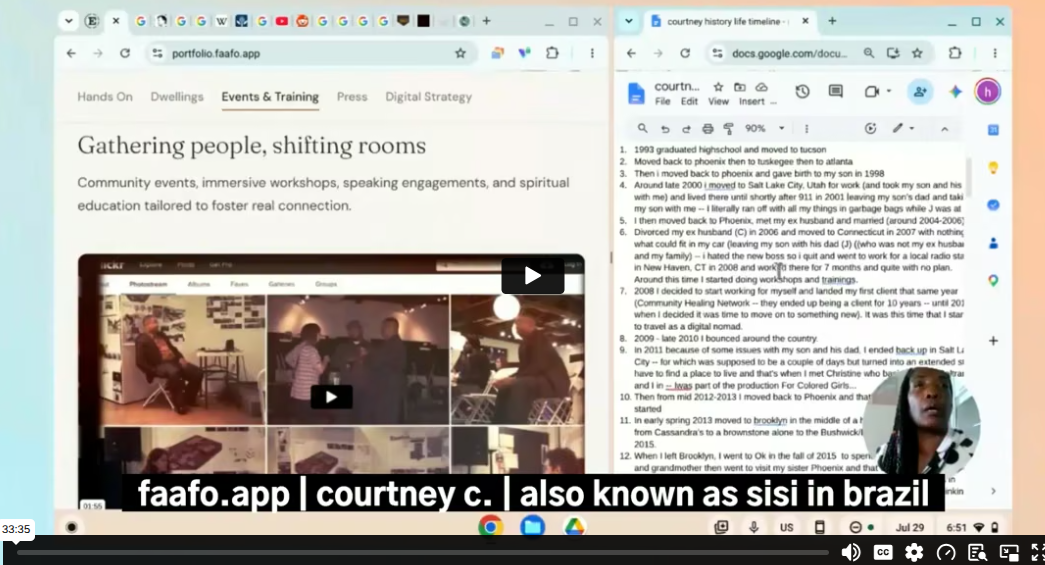
    • you can watch the facebook live i did on tuesday, july 29, 2006 here.
    • scroll down to access and download the journal in portuguese and english.

    the last time these nodes showed up

    here’s what was happening in the world the last time north node aquarius / south node leo was active:

    • youtube was founded february 14, 2005, ran a public beta that may, and officially launched that december
    • google bought youtube in november 2006 for $1.65 billion, a number that sounds tiny now
    • twitter launched in 2006, and didn’t roll out verification until june 2009
    • google chrome — the browser more people use than anything else right now — didn’t exist until september 2008
    • instagram didn’t show up until october 2010

    none of this is ancient history. it’s less than twenty years old.

    and here’s where i was

    while all of that was happening, i was living my own version of it. divorced. drove across the country by myself with no gps, because gps in a car wasn’t really a thing yet. landed in connecticut not knowing a single soul. quit my job. started teaching myself how to build websites. got my first paying client — a hot yoga studio — to shoot videos for this “new” thing called youtube.

    somewhere in there i founded the new haven chapter of something called the social media club. no big social platforms to promote it on, because they barely existed yet. just people, in person, figuring it out together.

    i tell people this now and they act like i’m describing another planet. i basically am.

    so about the ai complaints

    if you were online, building things, teaching yourself something new, and figuring it out in 2005, 2006, 2007, 2008 — and you’re over here complaining about ai right now while you use your phone, your gps, and chrome without a second thought — i need you to sit with that for a second.

    we look at whoever’s spoiled by the tech that came easy to them like, “yeah, that’s cute.” you’re not different. every generation gets the tech that shows up during their window, and every generation acts like the next wave is the end of the world. it never is. it’s advancement. it’s the thing that lets someone’s grandmother push a button when she’s hurt. it’s the camera that lets you check on your kid or your dog or your porch from across town. technology that didn’t exist yet is the reason a lot of people are still here.

    the actual point of nodal astrology

    north node in aquarius is asking for authenticity, collaboration, and group innovation. south node in leo is asking us to release the ego-driven need for individual spotlight and applause. the world faced a version of this exact tension the last time these nodes lined up, and from what astrologers are saying, whatever got left unfinished back then is up for closure through 2028.

    that’s not a reason to panic. it’s a reason to look back at your own timeline and notice the pattern. because once you see it, you get to actually work with it instead of getting knocked around by it.

    you are not too old

    i didn’t start this version of my life — the tech, the building, the reinvention — until i was in my 30s. i’m 51 now, and every so often i run into someone from back then, and it reminds me how much has changed and how much of it i saw coming before it had a name.

    if you’re in your 40s (or 30s, or 60s) and you think the window closed, it didn’t. go explore. go invent. go create. study yourself — your body, your life, your own timeline — because that’s the real text. pattern recognition is the actual magic.

    resources:

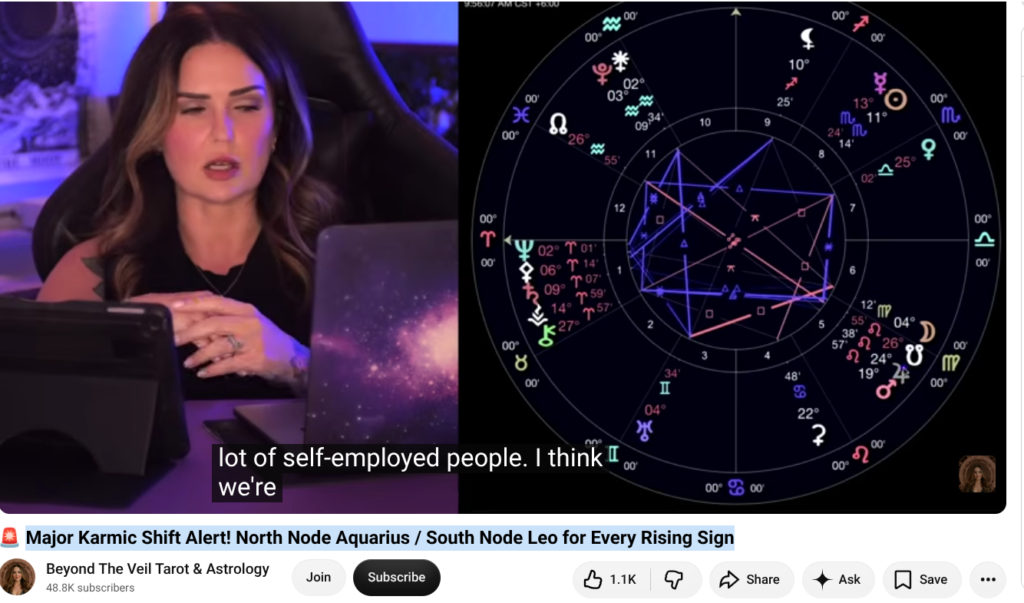
    …we have fun with it right trying to Jupiter how can we be creative I think it’s going to be the boom I think of a lot of self-employed people. I think

    59:57

    59 minutes, 57 secondswe’re going to see a lot of people who are going to get a lot of recognition for being pioneers uh for being the first in something that they’ve created.

    1:00:06

    1 hour, 6 secondsAnd um you know obviously Jupiter can be it can be a lot of things. It can be a lot of things connected to culture education. Education is going to be very

    1:00:13

    1 hour, 13 secondsbig. Um how we can be educating future generations, right? It’s very much Uranus and Gemini, but also Jupiter and Leo. And what we’re going to see, I think a bunch of like just bright young…

    journal activity pdf’s

    english

    portuguese

  • do we need each other

    do we need each other

    the next time someone from somewhere else offers you a better way, and your first instinct is to tell them this is not their country, this is not their place, they should stay quiet. pause.

    keep reading at Rede/Network

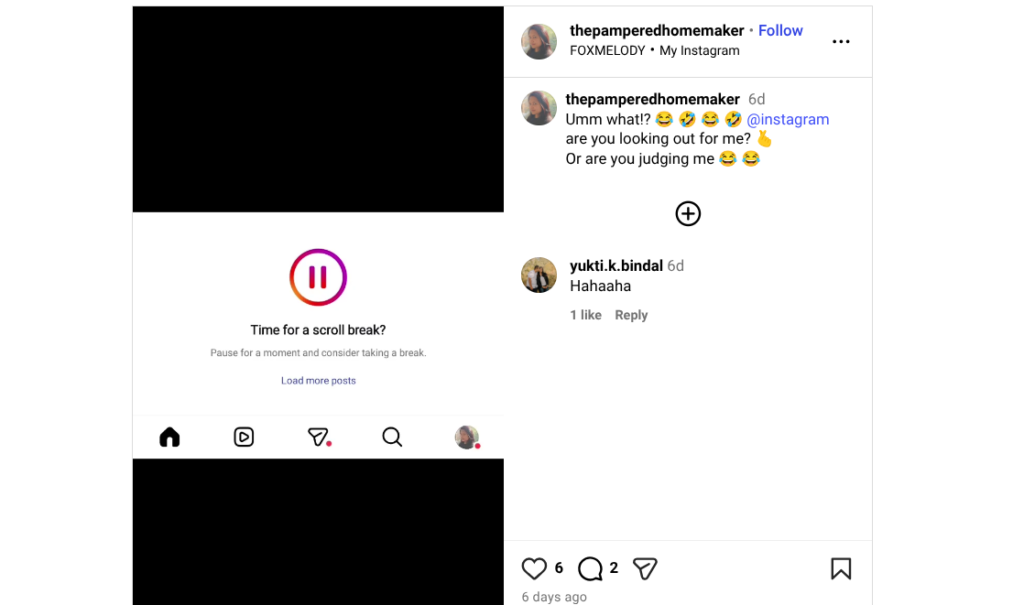
  • instagram just asked me if i need a scroll break

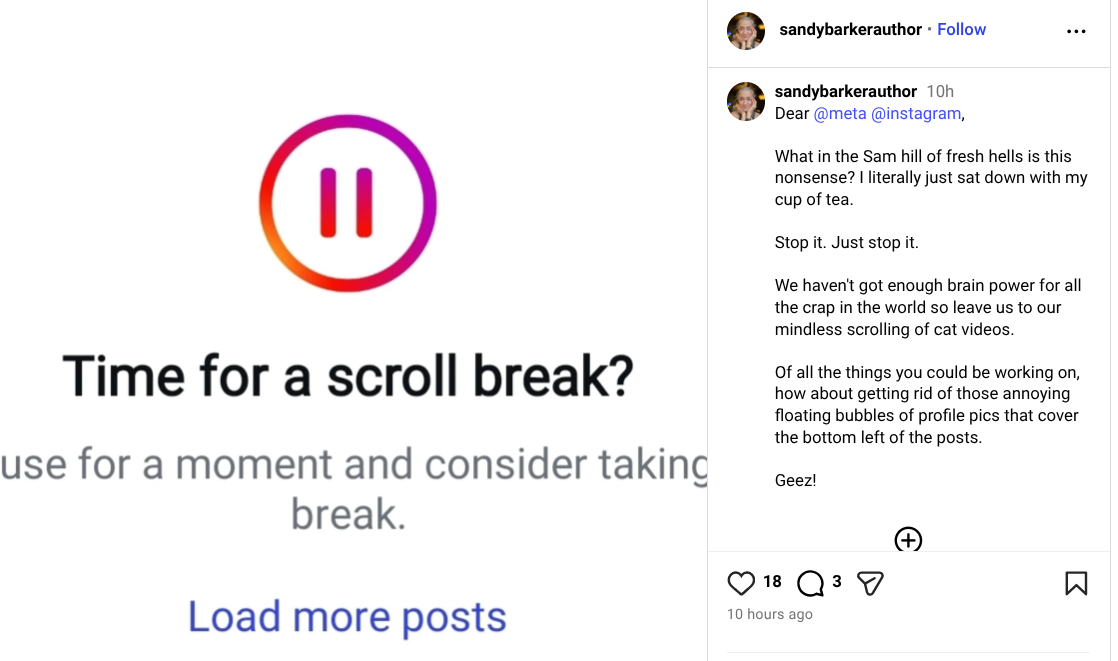
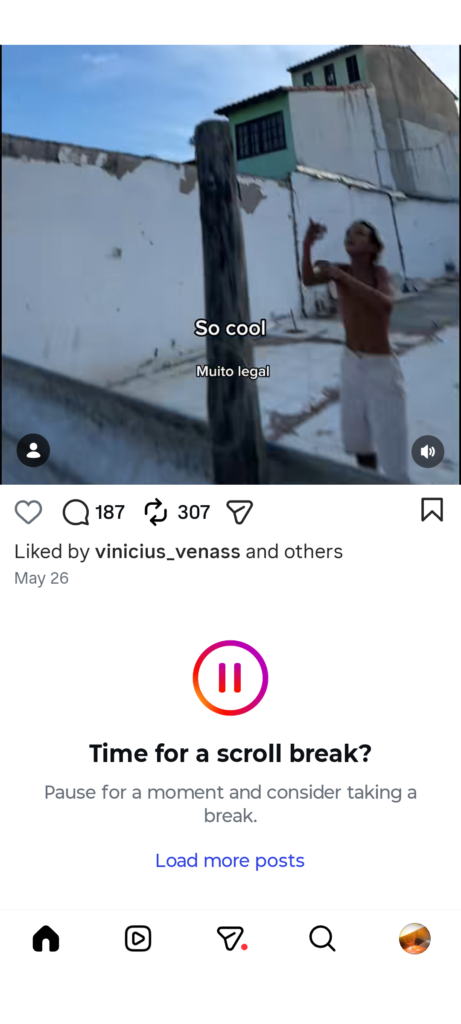
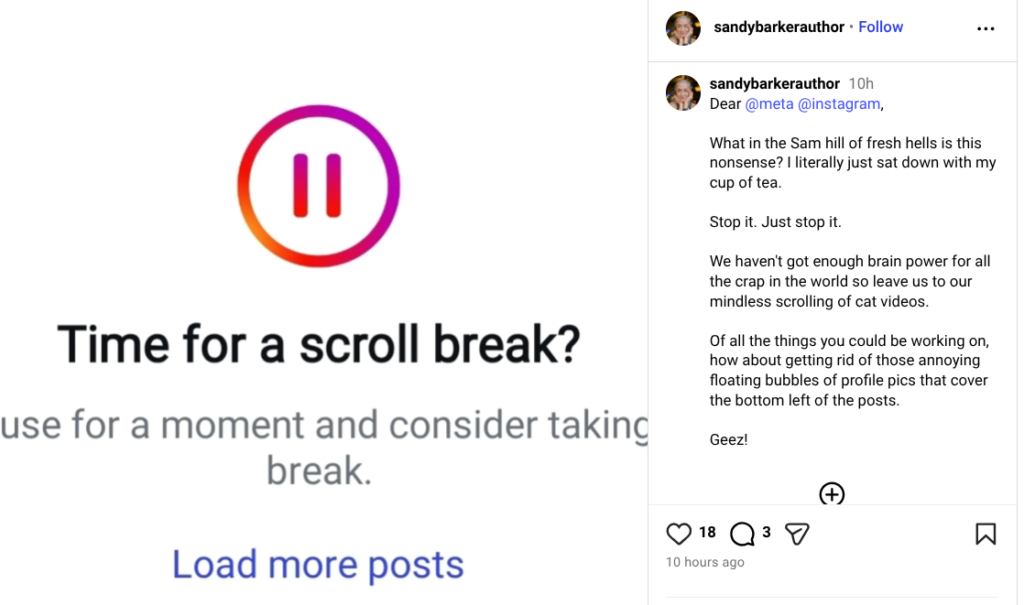
    instagram just asked me if i need a scroll break

    did you get the message too? others on reddit and ig have.

    summary: instagram asked me this morning if i needed a scroll break.

    i built the answer to that question a few weeks ago. the respite.

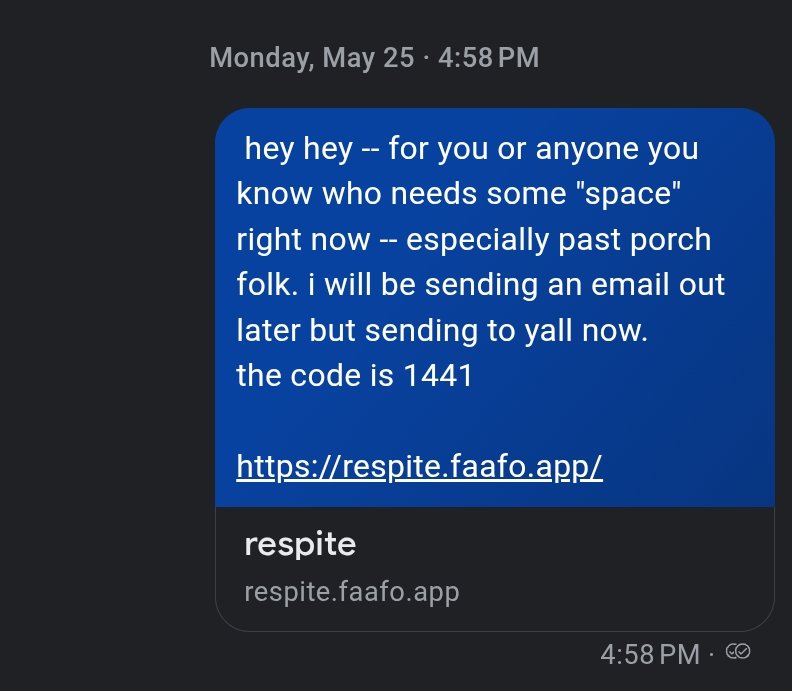
    if you have the code and you haven’t been yet — the door is open. if you’re a past guest who hasn’t heard from me, you will. if you’re new here and curious what an alternative actually looks like, the respite is at respite.faafo.app.


    the times are shifting. they’ve been shifting. the question is whether you’re building toward something or waiting for a pop-up to tell you to take a break.

    a quick note before we get into it: i have been heads-down and have only been able to get a handful of past porch peers set up with their login information for the respite. i have not yet gotten around to reaching out to past guests who may want access — that’s coming. if you’re reading this and wondering if you’re included, stay tuned. i haven’t forgotten you.


    i opened instagram this morning and got a notification asking me if i wanted to take a scroll break.

    i stared at it for a second.

    then i laughed.

    not because it’s funny, exactly. because i have been saying that something is shifting in how we relate to these platforms, and that the people who feel it early need to start building toward something else.

    the respite exists because of that exact feeling. and now instagram is building a pop-up to tell you what i was already building architecture around.

    let me explain what’s actually going on with this feature, why i don’t fully trust it, and why i think it matters that we’re having this conversation now.


    what instagram’s “scroll break” actually is

    the feature that appeared on my screen this morning isn’t new. 

    after seeing it, i went digging and apparently, instagram launched something called “take a break” in december 2021 — the day before their head, adam mosseri, was scheduled to testify before a senate subcommittee over teen mental health concerns. (go figure LOL) that timing was not a coincidence. techcrunch was direct about it at the time: instagram wanted credit for building mental health features without meaningfully changing the behavior their business model depends on.

    the original version was opt-in, easy to ignore, and had a technical loophole that reset the timer the moment you switched apps or your screen turned off. it was not measuring how much you were using instagram. it was measuring how long you’d been in one uninterrupted sitting.

    what’s changed in 2025 and 2026 is that the restrictions got stricter — but mostly for teens. under instagram’s teen accounts system, users under 18 now get automatic 60-minute daily limits, sleep mode between 10 pm and 7 am, and content restrictions. in early 2026, meta rolled this out globally. a los angeles jury also found meta and youtube negligent in designing apps that harmed kids, ordering meta to pay $4.2 million in damages, with auto-scrolling specifically named as one of the addictive features at issue.

    for adults? the original “take a break” still exists in your settings. it’s still opt-in. it’s still easy to dismiss.

    so when people started reporting a more aggressive, unprompted scroll break pop-up showing up after just a few photos or a couple of minutes of scrolling, the tech community started debating: is this a glitch? a beta test? a regulatory response to the lawsuits? nobody has a clean answer yet. there’s no official toggle to turn it off if you’re affected, and there’s no confirmed explanation for why it’s firing when it is. reddit threads are full of people asking “why is this happening?” with no reliable fix.


    here’s the part i want you to sit with

    while instagram is testing scroll break pop-ups with one hand, they are simultaneously testing unskippable ad breaks with the other — a countdown timer that stops you from browsing until you watch an advertisement. the reaction was overwhelmingly negative. users threatened to leave.

    so the wellness language is real. the pop-up is real. but it exists inside a platform that is simultaneously expanding its monetization architecture. these two things are not in conflict from meta’s perspective. they’re both tools for managing your time on the platform in ways that serve the business.

    i don’t think the scroll break is a bug. i don’t think it’s purely altruistic, either. i think it’s the beginning of a new layer of control — and i think these platforms will eventually find a way to charge for the ability to turn it off, or use it as leverage for premium tiers. that’s speculation. but i have been saying for a while now that something is shifting, and i’ve learned to pay attention when i feel that.


    about those intuitive nudges

    i say it plainly and without apology: i’m ten steps ahead when it comes to technology and where it’s going. not as a flex — as a statement of pattern. i was feeling the friction of algorithm-driven spaces and building toward an alternative before most people had named the problem.

    the respite came out of years of sitting with the question: what would a digital space look like if it was built for humans first?

    the scroll break notification this morning felt like confirmation.

    when instagram is building pop-ups to interrupt your scrolling, it means enough people are burned out enough that the platform has to at least appear to respond. that’s a signal. and for those of us who’ve been paying attention to the signals, it means now is the time to take alternatives seriously — not as a radical experiment, but as a practical choice.


    what the respite is (and why it exists)

    the respite is a private digital community space — a self-hosted, password-protected website that works like a house viewed from above. you enter with a door code. you move through rooms: a forum, a video library, a media room, a garden for photos, a kitchen for quick chat, a quiet space for emotional release, a patio for ambient content. no algorithm. no feed. no engagement optimization. no data harvesting.

    people who’ve been shared the link have been forwarding it to others with messages like: “i’m sharing with you because it’s a way to get offline and go decompress, but there’s also a lot of helpful videos in the library.”

    that’s exactly what it was built to be.

    no platform can shut it down. no terms of service change can take it away. no company can decide tomorrow that the free tier is going away. it is not mighty networks. it is not circle. it is not discord or facebook groups. it is ours — and eventually, it can be yours too.


    for those thinking about extra income

    i have solutions, and they are done and recorded. i just need to get them added to the library. that’s coming. if generating income in ways that are aligned with where you actually are is something you’re thinking about, watch for that addition. i’ll say more when it’s posted.


    for the woo-woo side of this

    if you’re here because you want to trust yourself more — including trusting your gut about technology, about what spaces drain you and which ones feed you, about what it means to stay in alignment when every platform is designed to pull you out of it — that work lives at itastelikemagic.com

  • Protected: strategy and disruption: come out of the yard

    Protected: strategy and disruption: come out of the yard

    This content is password-protected. To view it, please enter the password below.

  • rede / network

    rede / network

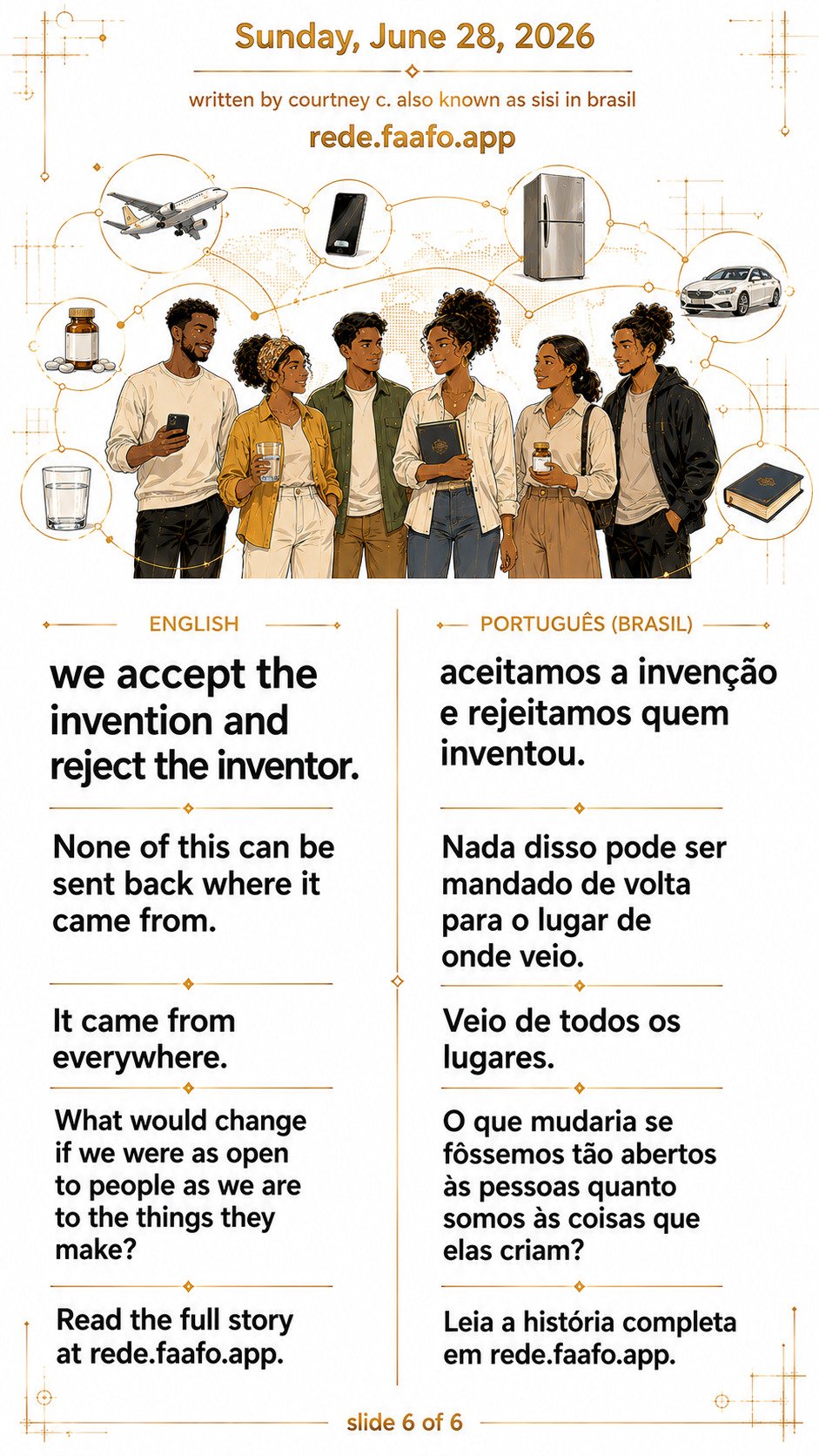
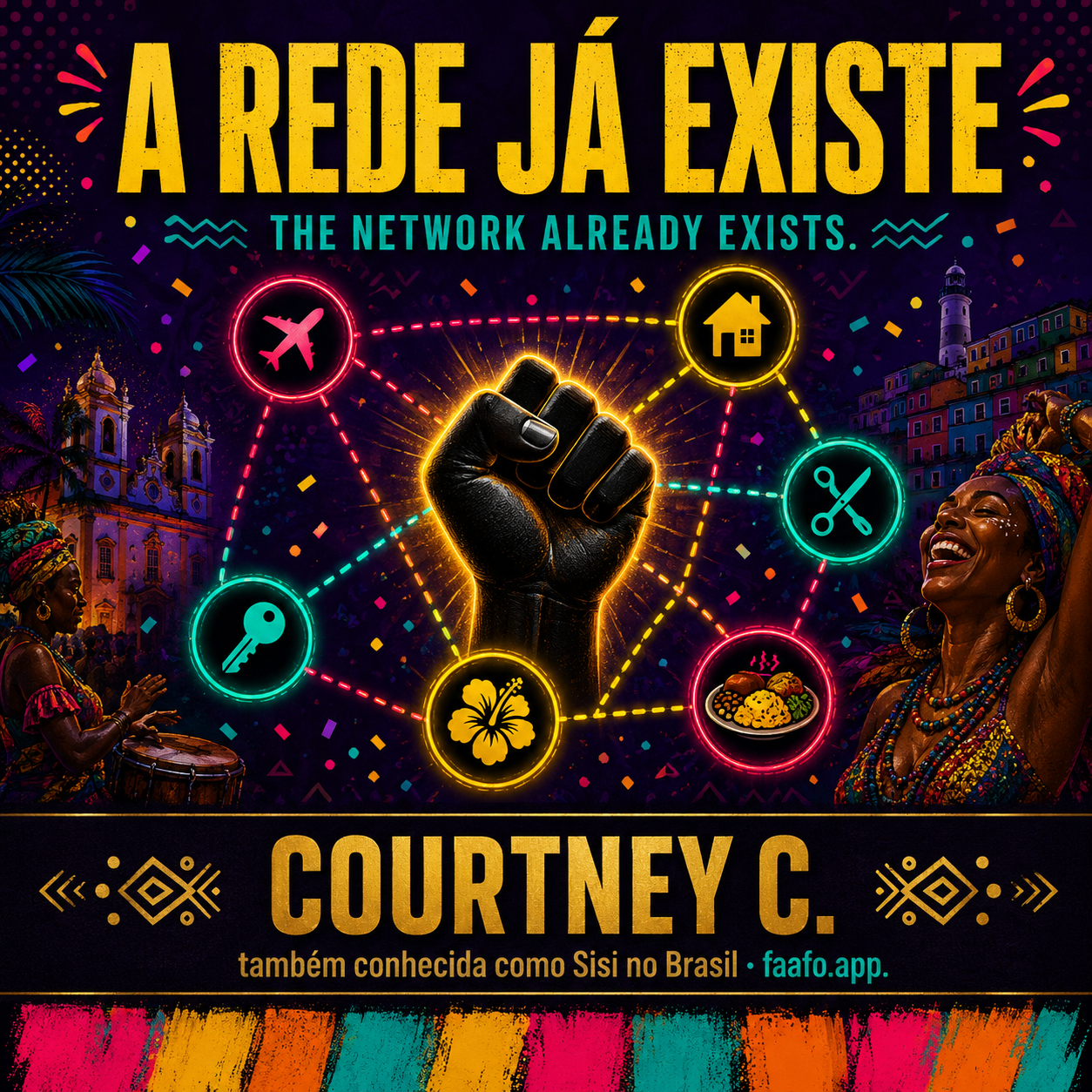
    a rede já existe. você só não viu ainda.

    passei os últimos meses observando uma coisa que me incomoda: pessoas com talento real, serviços bons, e conhecimento de valor — esperando o cliente aparecer enquanto o cliente está do outro lado da cidade perguntando pra um estrangeiro onde encontrar exatamente o que você oferece.

    então eu fiz alguma coisa com isso.

    rede.faafo.app é um guia visual e interativo sobre como ecossistemas de colaboração funcionam — e como qualquer pessoa pode construir o seu, especialmente aqui na Bahia, onde o potencial de servir o mercado estrangeiro ainda é muito subaproveitado.

    tem histórias. tem mapa interativo. tem passos concretos. tem até um prompt pra você pedir pra IA te ajudar a começar.

    é de graça. é em português e inglês. e foi feito pra quem já tem o que precisa — e só precisa ver isso de um ângulo diferente.


    the network already exists. you just haven’t seen it yet.

    i’ve spent months watching something that bothers me: people with real talent, good services, and valuable knowledge — waiting for clients to appear while those clients are across town asking a foreigner where to find exactly what you offer.

    so i did something about it.

    rede.faafo.app is a free visual, interactive guide on how collaboration ecosystems work — and how anyone can build one, especially here in Bahia, where the potential to serve the foreign market is still largely untapped.

    there are stories. an interactive map. concrete steps. even a prompt so you can ask AI to help you get started.

    it’s free. it’s in portuguese and english. and it was built for people who already have what they need — and just need to see it from a different angle.

    👉 rede.faafo.app

  • not all ancestors were heroes

    not all ancestors were heroes

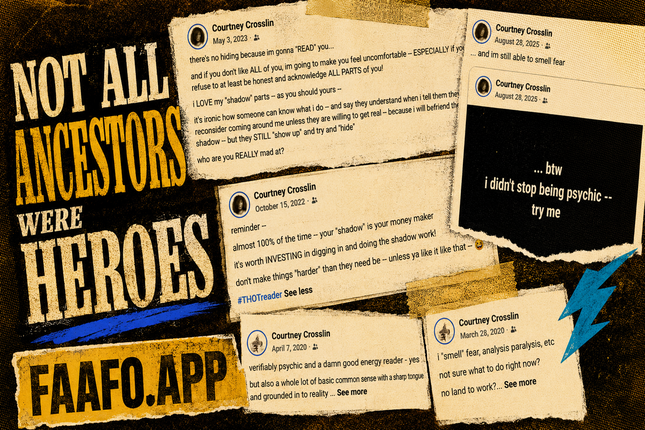
    “most people tuck their shadow away but don’t realize that their shadow is their moneymaker.”

    i recorded this at 5:30 in the morning because some things can’t wait for a reasonable hour.

    this episode is about traitor energy. ancestral accountability. the people who sold out rebellions and the descendants who are still running the same patterns. the people who code switch depending on who’s in the room. the ones who use their identity as a protection blanket instead of a mirror.

    i talk about human design, open centers, and why some people flip the moment they’re around certain energy. i talk about the housekeepers who heard everything and were never seen. i talk about why i don’t hire one here in bahia and what my ancestors showed me when i was on my hands and knees cleaning my own apartment.

    and i talk about the people who say they earned the right to retire from the fight. and i ask one question: after hundreds of years of still fighting for the bare minimum — is 30 years really a long time?

  • i said yes. and i would do it again.

    i said yes. and i would do it again.

    AI did not invent displacement. it just has a name people can argue about at dinner. ~ courtney (sisi)

    i have been on the internet since before most people knew the internet was a place you could live.

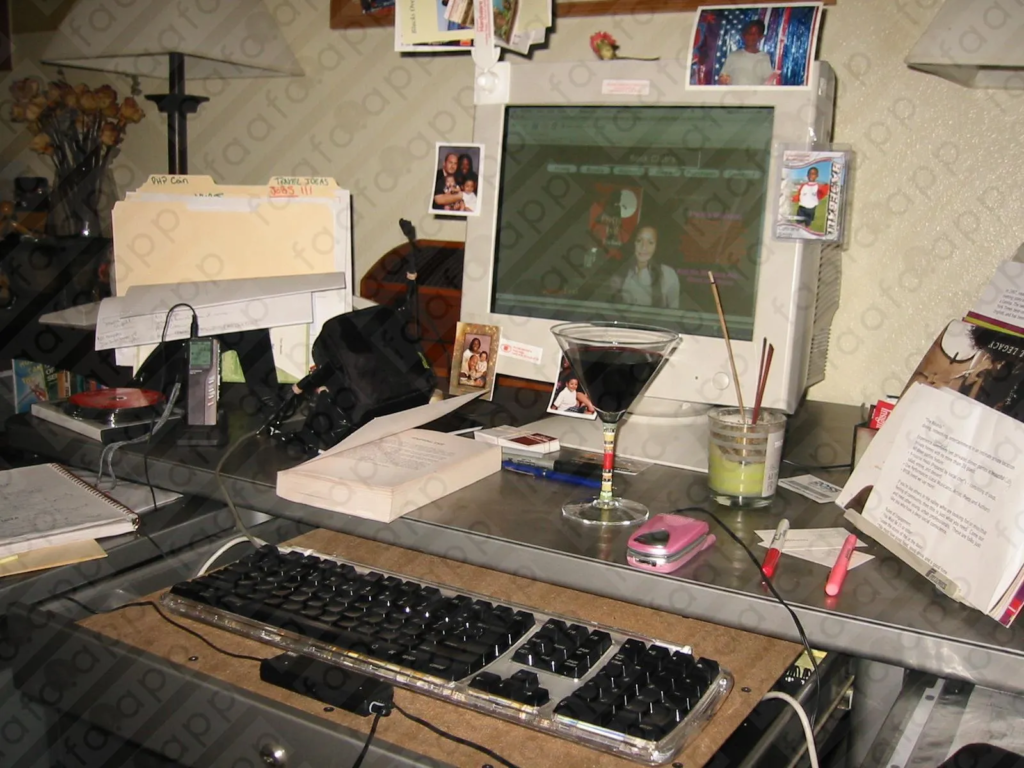
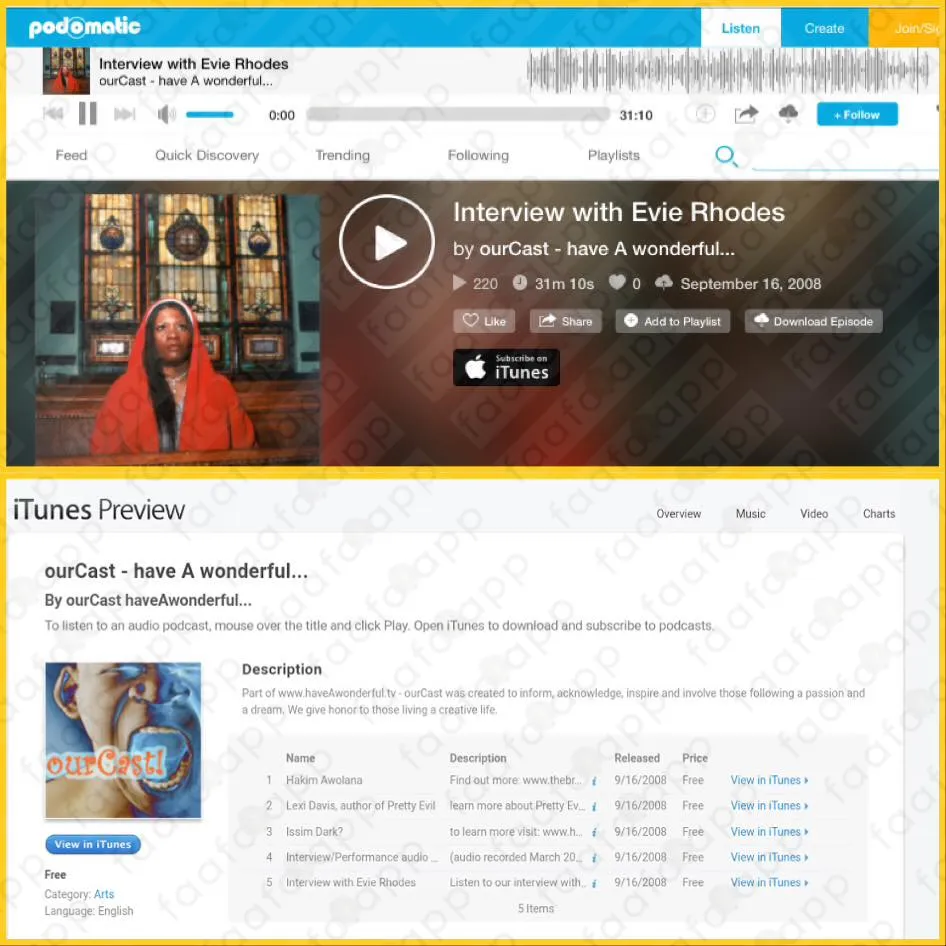
    i started podcasting in 2006. not with an app. not from my phone. i sat at a desk with a laptop, a desktop, an external microphone, an external recorder, and a whole lot of patience. youtube was not what it is now. the tools did not exist yet. we were building the infrastructure that people now take for granted and call their own origin story.

    so when an RSS platform asked me point blank whether my podcast was AI-generated, i sat with it for a second. i could have said no. the content was factual. the sources were mine. but i used voiceover narration to produce it and i believe in being transparent. so i clicked yes.

    and i have been thinking about it ever since.

    not because i feel guilty. because i don’t. but because the conversation around AI has gotten loud in ways that reveal more about the people talking than about the technology itself.

    i am not here to be an analyst. i am not going to sit and argue with every objection because every objection comes from a different place and i learned a long time ago not to chase that trap. what i will do is tell you where i actually stand.

    i hear the copyright arguments. i hear the data scraping arguments. i hear the water usage arguments. i understand them. and i also know that many of the same people making those arguments have no problem going to a museum full of pillaged artifacts and calling it culture. they pay ancestry.com — a private company — to access historical records about their own family that should be free, especially for Black people who were systematically denied documentation of their own existence. they use single-use water bottles and wrap christmas presents in paper that goes directly into a landfill the next morning. they screenshot someone else’s content, strip the credit, and post it without a second thought.

    most people are hypocrites. AI is just an easy target because somebody gave it a name.

    that is the part nobody talks about. when you can name something, you can oppose it. but databases have existed for decades. telephone operators were replaced. search engines scraped everything. nobody held a press conference.

    i used to work as a telephone operator on third shift. it was slow. we typed numbers into computers and read them back. but what i remember most is the elderly people who called in the middle of the night just to hear a live voice. that job is gone. nobody mourned it publicly. it is nostalgic now.

    AI did not invent displacement. it just has a name people can argue about at dinner.

    here is what i know about myself. i have been contributing to the internet for decades. writing, podcasting, recording, publishing, showing up. my content is out there. it has been searchable, scrapable, and freely available the entire time. i made peace with that the moment i hit publish the first time.

    the people who have never contributed a single original thing to the internet and are loudest about how it should be used — i have very little patience for that conversation.

    what i do have patience for is this: using what is in front of me to build systems that give me more time. time to teach. time to create. time to show other people, especially Black people, especially women, that financial freedom and mental liberation are the same project. people think of the underground railroad as something that ended. it didn’t. it evolved. liberation moves through whatever infrastructure exists in its era. right now that infrastructure includes AI.

    i am not going to apologize for getting on the train.

    i go deeper into all of this in the full podcast episode over at sexdeathpower.com.

    if something in here landed, head there. look for “The Architecture of Liberation: AI, Identity, and Digital Ancestry.”

  • where do you come from?

    where do you come from?

    so i have white ancestors who married into indigenous nations for access and power. and i have unnamed women — enslaved women — who more than likely did not have a choice in what happened to their bodies. those women are in my bloodline too. they gave me life without ever being given the dignity of a recorded name.

  • 500 years of documented ancestry read from bahia brazil

    500 years of documented ancestry read from bahia brazil

    note: ancestry screenshots are anchored to my grandfather, manley ray bell (1927-2003). i'm his granddaughter, courtney crosslin (sisi in brasil). to find my direct relationship to any ancestor shown, add one generation --- e.g., "11th great-grandfather" becomes my 12th great-grandfather.

    research and archival work: p. pierson (family). genealogical expert: angela walton-raji.

    i sat on my balcony in barra, salvador, bahia — the yoruba capital of the western hemisphere — and read a document that traces my bloodline back to 1516.

    five hundred years. documented. confirmed. cross-referenced against census records, dawes rolls, tribal treaties, colonial documents, and ship manifests.

    i already knew pieces. i knew i was chickasaw, cherokee, yoruba, choctaw, powhatan. i knew my DNA confirmed it. but i didn’t know the full scope until i sat down with screen recordings of my ancestry.com tree, ran them through extraction tools, organized the data, and then let google’s deep research engine cross-reference every name against verified historical records.

    what came back shook me.

    the names that showed up

    my 12th great-grandfather is chief wahunsenacawh  (…”whose proper name was Wahunsenacawh (alternately spelled Wahunsenacah, Wahunsunacock, or Wahunsonacock”). the man the english colonists had to negotiate with when they arrived in virginia in 1607. 

    Little is known of Powhatan’s life before the arrival of English colonists in 1607. He apparently inherited the leadership of about 4–6 tribes, with its base at the Fall Line near present-day Richmond. Through diplomacy or force, he had formed the Powhatan Confederacy from about 30 tribes by the early 17th century. The confederacy included an estimated 10,000 to 15,000 people.” via widipedia

    his daughter — pocahontas — is my 11th great-grandaunt. not folklore. not a disney movie. my actual documented family.

    before you make any conculusiolns about HERstory — consider the following very different perspectives.

    1. Contrary to Disney’s portrayal of this well-known ‘family film,’ the true story of Pocahontas is not one of a romance, but a tragedy. Pocahontas was one of the first real-life Missing and Murdered Indigenous Women (MMIW).” via the indigenous foundation
    2. …And historians are divided over whether Pocahontas, then about 11 or 12 years old, rescued the mercantile soldier and explorer at all. Smith might have misinterpreted what was actually a ritual ceremony or even just lifted the tale from a popular Scottish ballad.”   via the smithsonian magazine

    opechancanough, the war chief who launched a coordinated surprise attack on the english in 1622 and killed a quarter of their population in virginia — that’s my line too. he fought until he was nearly 100 years old. they shot him in prison.

    Pages: 1 2