
AI did not invent displacement. it just has a name people can argue about at dinner. ~ courtney (sisi)
i have been on the internet since before most people knew the internet was a place you could live.
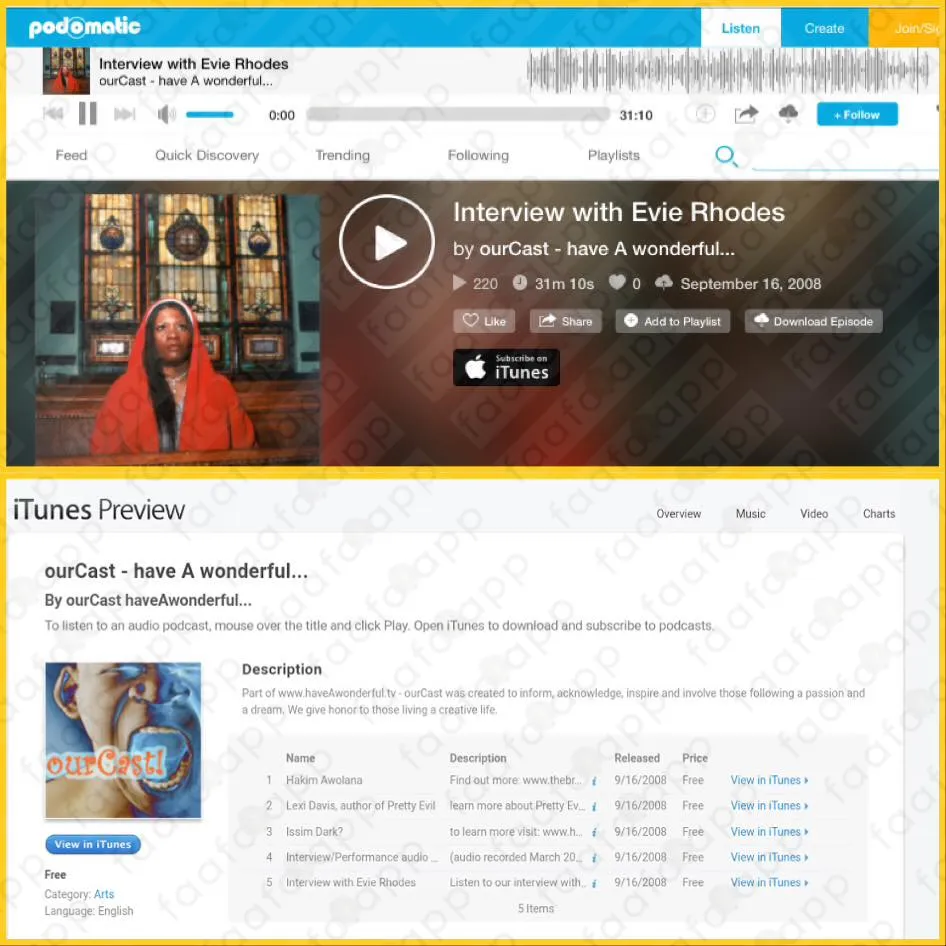
i started podcasting in 2006. not with an app. not from my phone. i sat at a desk with a laptop, a desktop, an external microphone, an external recorder, and a whole lot of patience. youtube was not what it is now. the tools did not exist yet. we were building the infrastructure that people now take for granted and call their own origin story.

so when an RSS platform asked me point blank whether my podcast was AI-generated, i sat with it for a second. i could have said no. the content was factual. the sources were mine. but i used voiceover narration to produce it and i believe in being transparent. so i clicked yes.
and i have been thinking about it ever since.
not because i feel guilty. because i don’t. but because the conversation around AI has gotten loud in ways that reveal more about the people talking than about the technology itself.
i am not here to be an analyst. i am not going to sit and argue with every objection because every objection comes from a different place and i learned a long time ago not to chase that trap. what i will do is tell you where i actually stand.
i hear the copyright arguments. i hear the data scraping arguments. i hear the water usage arguments. i understand them. and i also know that many of the same people making those arguments have no problem going to a museum full of pillaged artifacts and calling it culture. they pay ancestry.com — a private company — to access historical records about their own family that should be free, especially for Black people who were systematically denied documentation of their own existence. they use single-use water bottles and wrap christmas presents in paper that goes directly into a landfill the next morning. they screenshot someone else’s content, strip the credit, and post it without a second thought.
most people are hypocrites. AI is just an easy target because somebody gave it a name.
that is the part nobody talks about. when you can name something, you can oppose it. but databases have existed for decades. telephone operators were replaced. search engines scraped everything. nobody held a press conference.
i used to work as a telephone operator on third shift. it was slow. we typed numbers into computers and read them back. but what i remember most is the elderly people who called in the middle of the night just to hear a live voice. that job is gone. nobody mourned it publicly. it is nostalgic now.
AI did not invent displacement. it just has a name people can argue about at dinner.
here is what i know about myself. i have been contributing to the internet for decades. writing, podcasting, recording, publishing, showing up. my content is out there. it has been searchable, scrapable, and freely available the entire time. i made peace with that the moment i hit publish the first time.
the people who have never contributed a single original thing to the internet and are loudest about how it should be used — i have very little patience for that conversation.
what i do have patience for is this: using what is in front of me to build systems that give me more time. time to teach. time to create. time to show other people, especially Black people, especially women, that financial freedom and mental liberation are the same project. people think of the underground railroad as something that ended. it didn’t. it evolved. liberation moves through whatever infrastructure exists in its era. right now that infrastructure includes AI.
i am not going to apologize for getting on the train.
i go deeper into all of this in the full podcast episode over at sexdeathpower.com.
if something in here landed, head there. look for “The Architecture of Liberation: AI, Identity, and Digital Ancestry.”